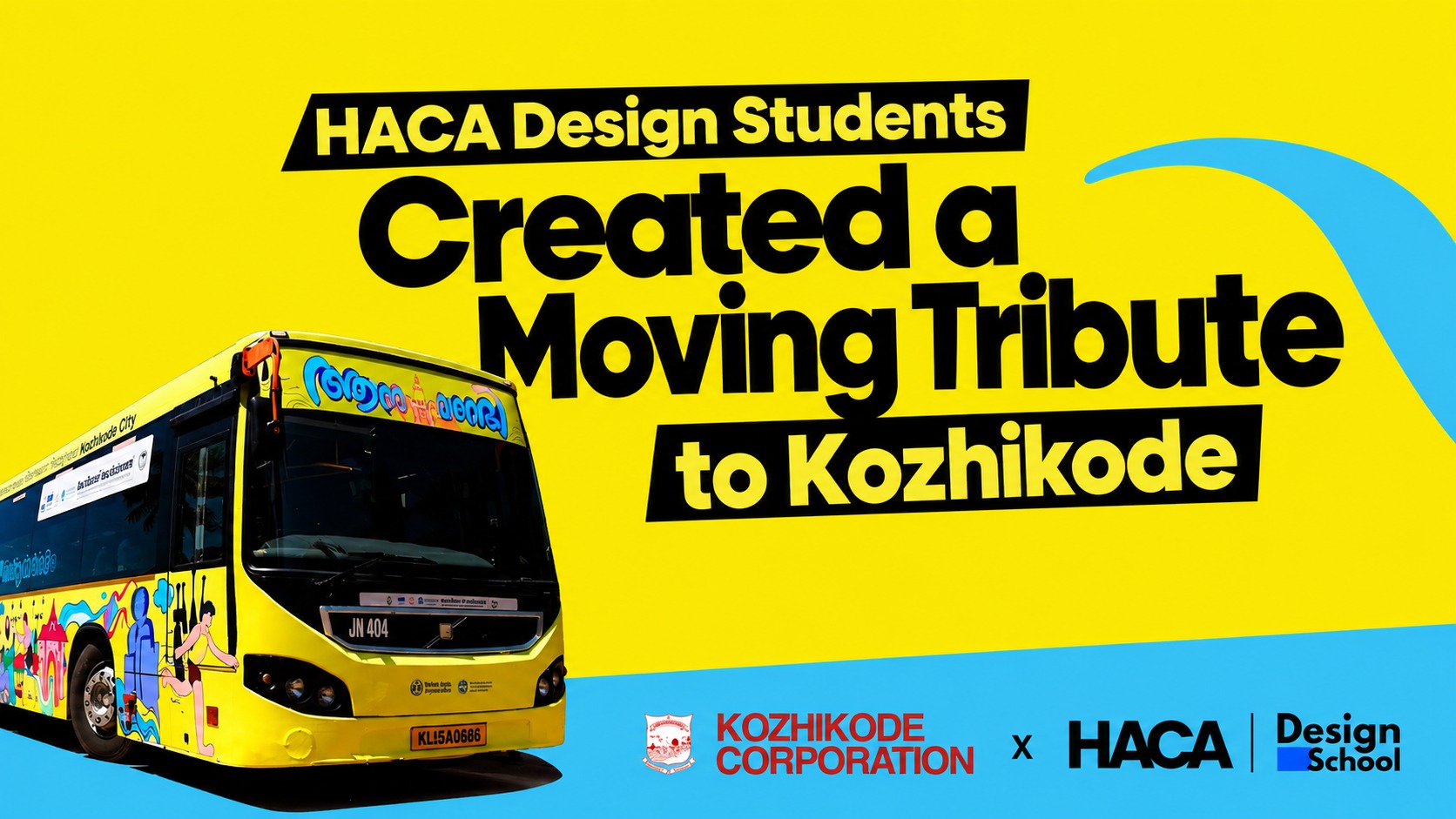
For design school students, working on a real project can be very different from working on a classroom assignment. There are clients to present to, deadlines to meet and decisions that have to be made based on real requirements.
Five students from HACA Design School got an opportunity to experience this when they were invited to work on a project with Kozhikode Corporation. The project was connected to Kozhikode's recognition by the World Health Organisation (WHO) as an Age-Friendly City and an initiative aimed at creating a better experience for senior citizens.
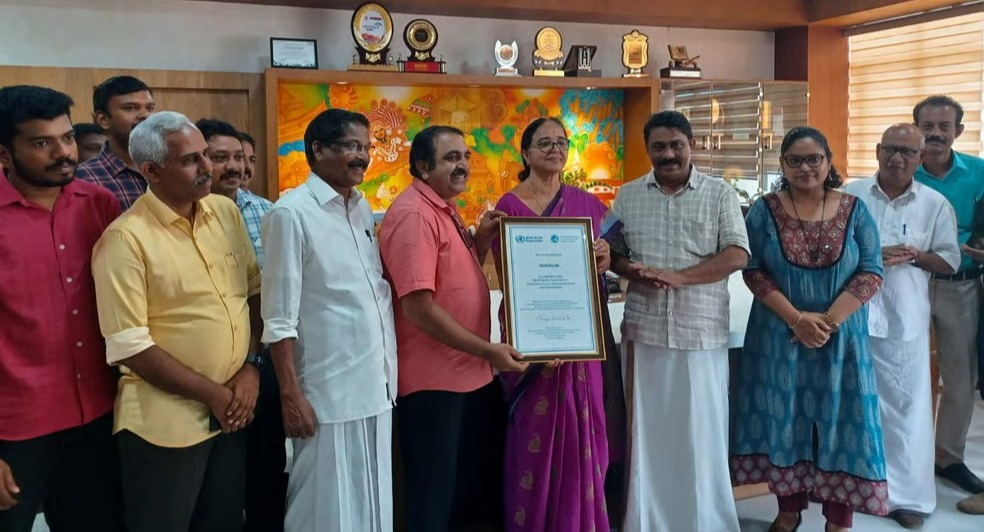
The students had never worked on a government project like this before. They had to develop the concept, present it to the Corporation, make changes based on feedback and prepare the final artwork for production.
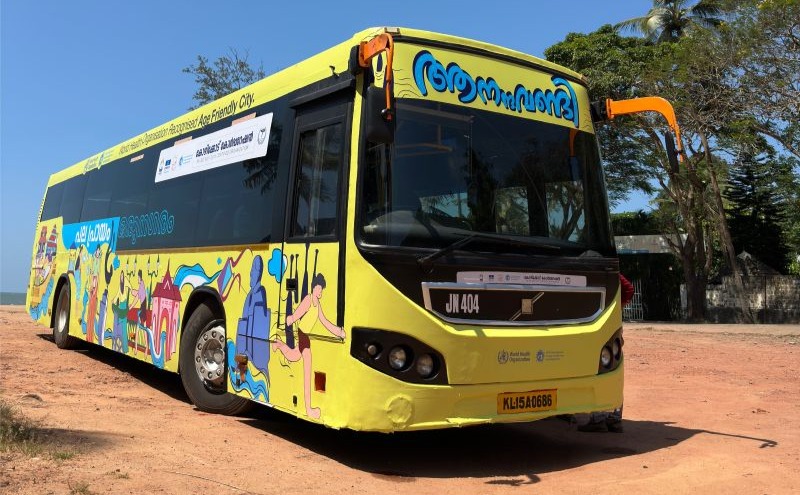
The project eventually became known as Aanandavandi.
How the Opportunity Started
The project came up during a meeting that the HACA team had for another possible collaboration. During the meeting, they were introduced to an opportunity from Kozhikode Corporation and were asked whether HACA students could take up the design work.
Since the students had not worked on a project of this scale before, the team knew there would be a learning curve. However, they also saw it as an opportunity for students to work on something that would eventually be used by the public.
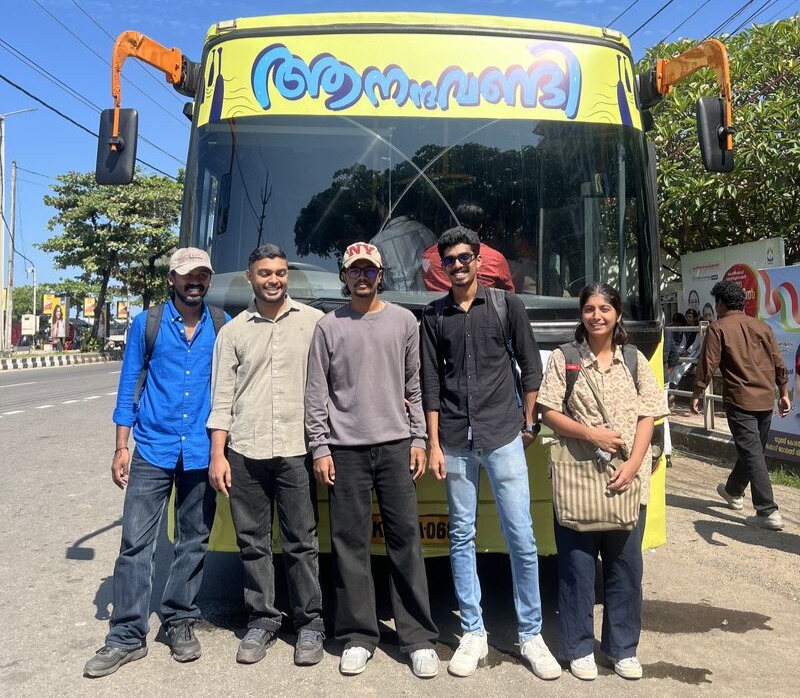
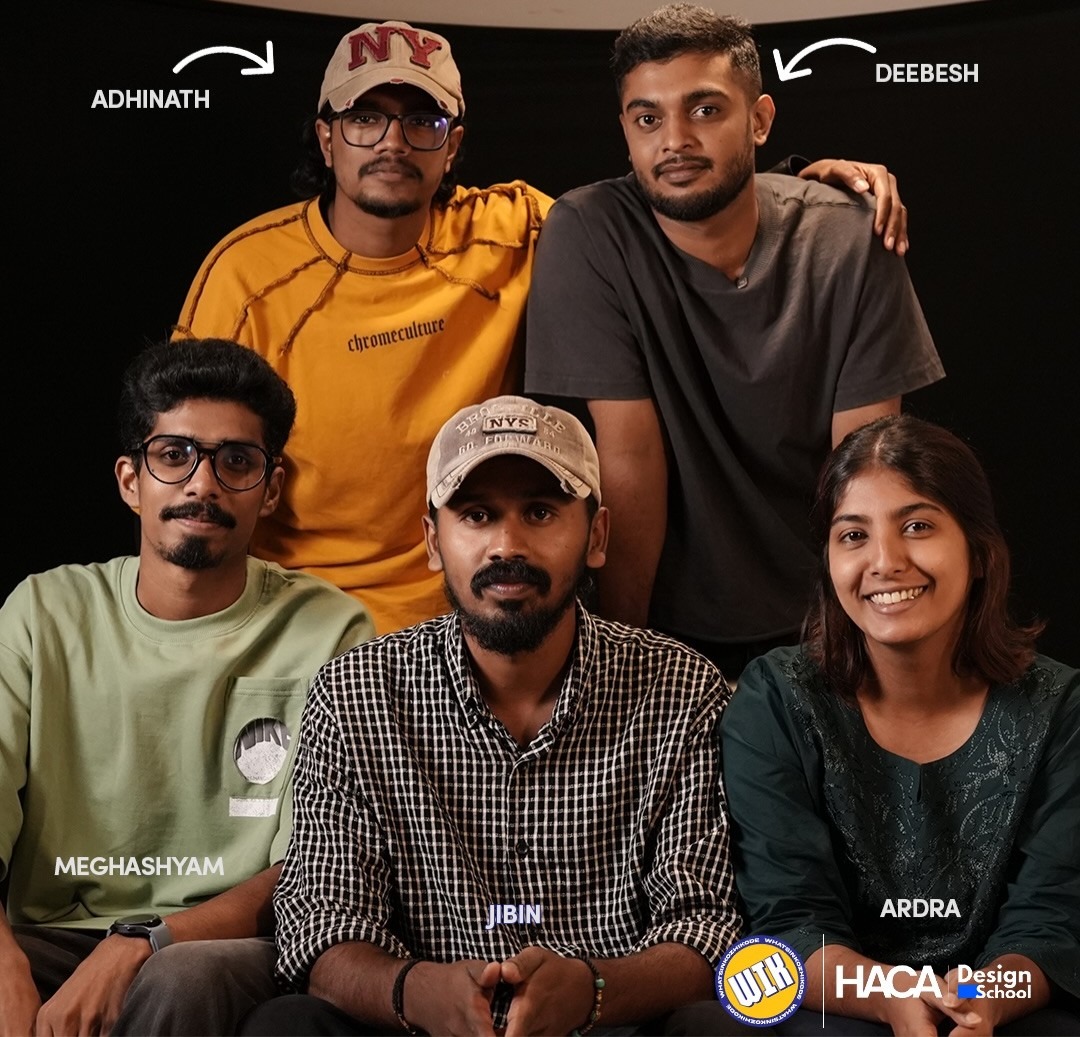
HACA decided to take up the project and formed a student team consisting of Deebesh, Adinath, Ardra, Jibin and Meghashyam, with Deebesh leading the project.
Starting With a Nine-Day Deadline
The students were given only nine days to prepare their initial pitch.
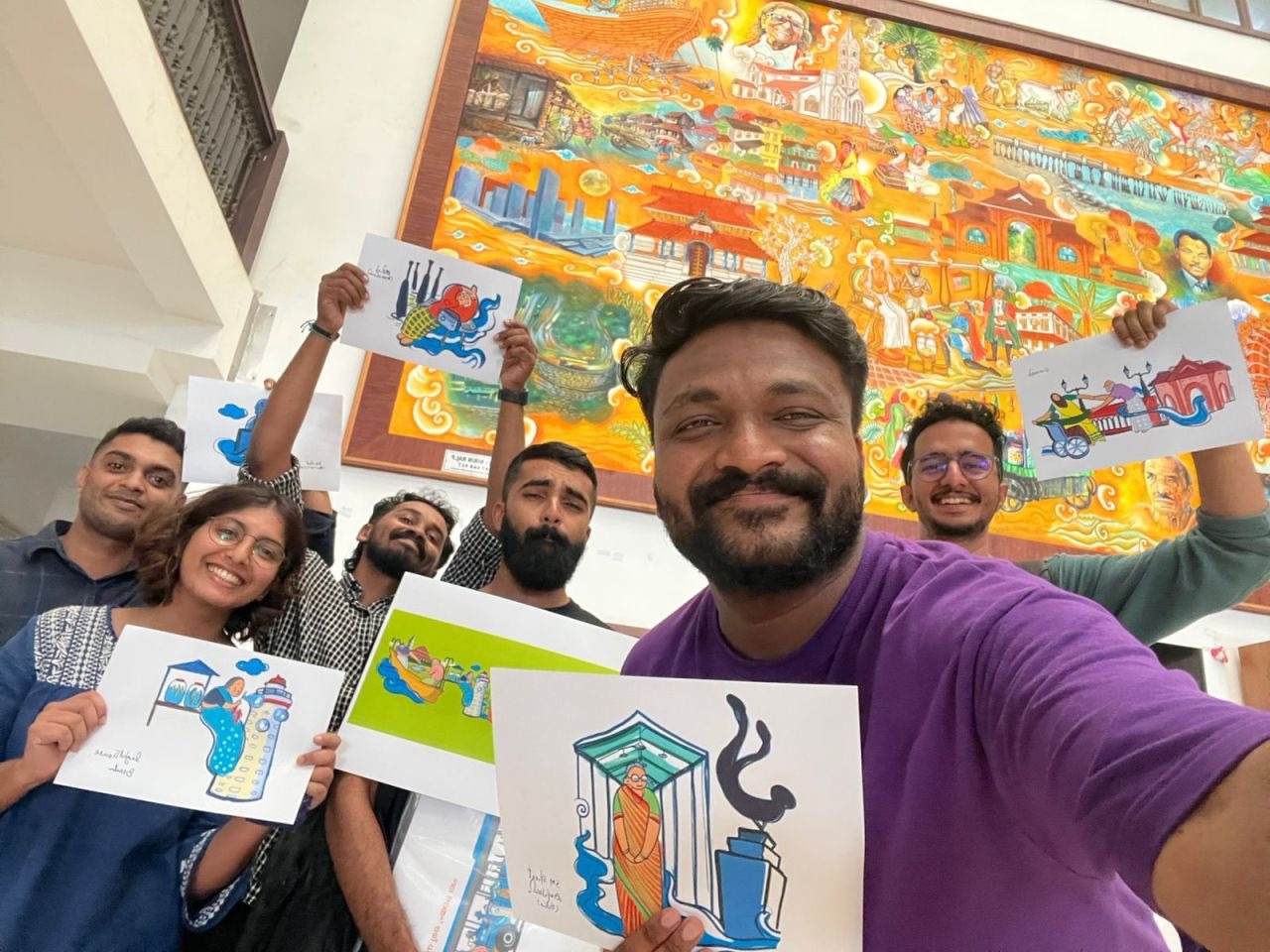
At the beginning, they did not have a complete idea of what the design should look like. Deebesh started by taking his sketchbook and putting his initial thoughts on paper.
The team then began discussing how they could create a concept that connected with the purpose of the project. One of the ideas that came out of these discussions was to represent two stages of life on the bus: childhood and old age.
The concept was based on the idea of bringing different generations together through the city. The team continued developing this direction before preparing their first presentation for the Corporation.
The First Pitch Did Not Work
The first pitch did not receive the response the students expected.
The team had been confident about their concept and had only prepared one design. They did not have another option ready in case the first idea was rejected.
When the Corporation did not approve the first design, the students had to rethink how they could present their idea more clearly.
For the second pitch, they completed the artwork for both sides of the bus and created a mockup to show how the design would look when applied to the vehicle. They also printed the artwork at a larger size so the Corporation could see the concept more clearly.
The second presentation received a better response, and the Corporation approved the design.
For the students, this became an important part of the project because they learned that creating a design is only one part of working with a client. They also need to understand the feedback, improve the presentation and explain their idea properly.
Preparing the Artwork for Production
Once the concept was approved, the team had to prepare the artwork for the actual bus.
The original illustrations had been created on an iPad. These illustrations now had to be vectorised and adjusted according to the dimensions provided by the Corporation.
This was a much bigger task than simply completing the illustrations. The students had to make sure the artwork could work at a much larger scale and that every element was positioned correctly.
The team had to pay attention to small details while working within the deadline.
A large part of this work happened during HACA's Onam celebrations. While the students had come to HACA dressed for the occasion, they spent the day working on the project and continued until midnight to complete the artwork.
How the Name Aanandavandi Was Created
The team also had to decide on a name for the bus. The initial suggestion was Nagaravandi, but the students did not feel that the name suited the concept. They wanted something that connected with happiness and the overall feeling of the project.
The name was created by combining the familiar idea of “Aana Vandi” with the word Aanandam, giving the project a name connected with joy. While exploring Malayalam words related to happiness, they came across the idea of Aanandam. This eventually led them to the name Aanandavandi.
The students initially thought the name would mainly be used within the project. However, Aanandavandi soon started receiving attention outside the team. The project began appearing in news coverage and people started talking about it.
When the Project Was Put on Hold
The students completed their part within the deadline, but the bus was not immediately launched.
There was no clear update for some time. After a month or two passed, the students started thinking that the project might not happen.
This was disappointing for the team because they had spent a lot of time developing and preparing the design. They had completed the work but still had not seen the final bus.
After some time, they received news that the project was moving forward again. However, there was very little time left to complete the final production work.
Completing the Bus in One Day
When the project restarted, the students were told that they had only a day to complete the printing and installation before the inauguration.
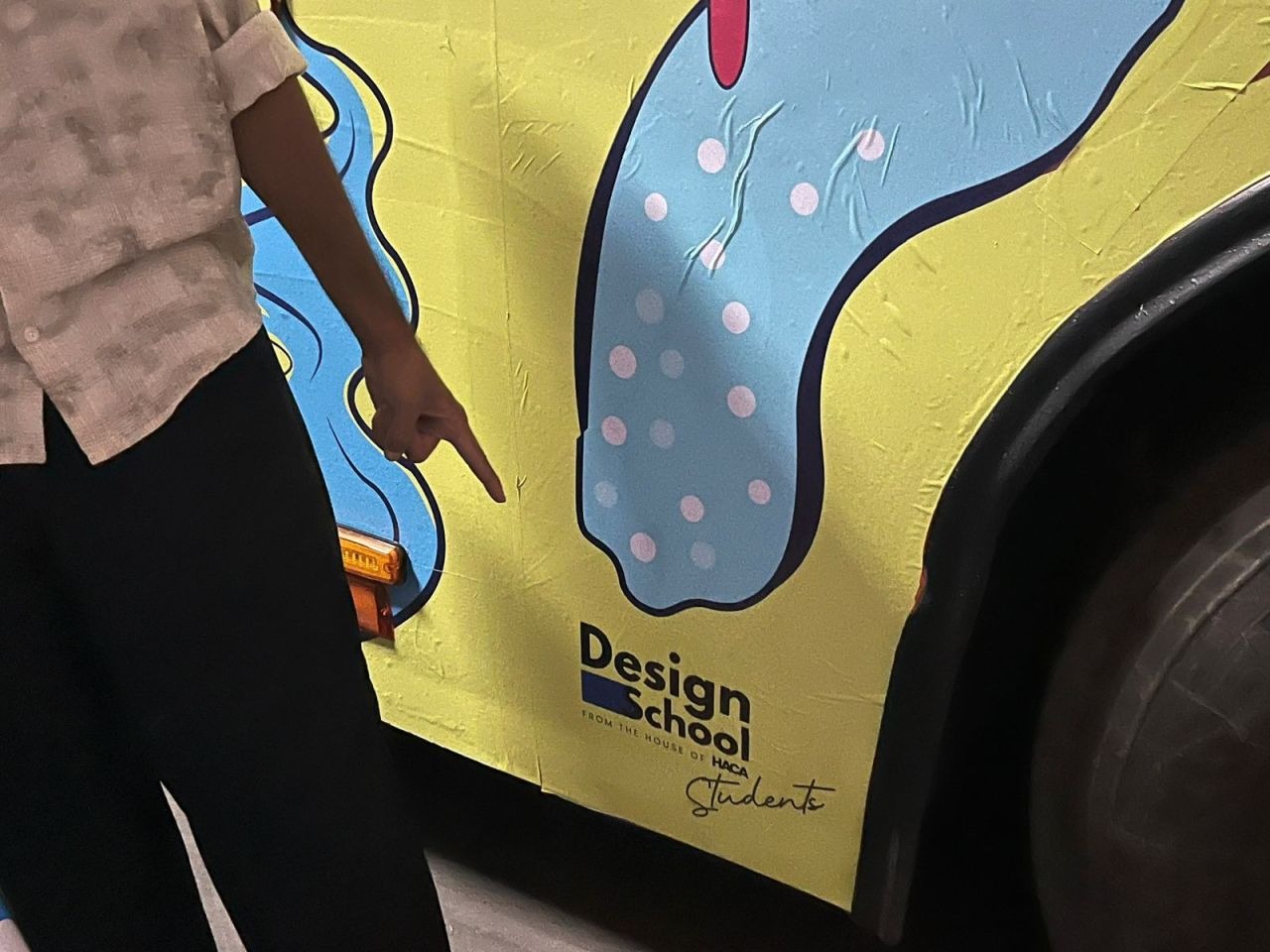
The artwork had to be prepared according to the actual dimensions of the bus. The team worked on the size and alignment, sent the artwork for printing and then went to the location to make sure it was installed correctly.
The process had to happen quickly because the inauguration was scheduled for the same evening.
The students had already spent weeks working on the concept and artwork. Now they had to make sure the final design could be produced and installed within a single day.
Seeing the Design Used by the Public
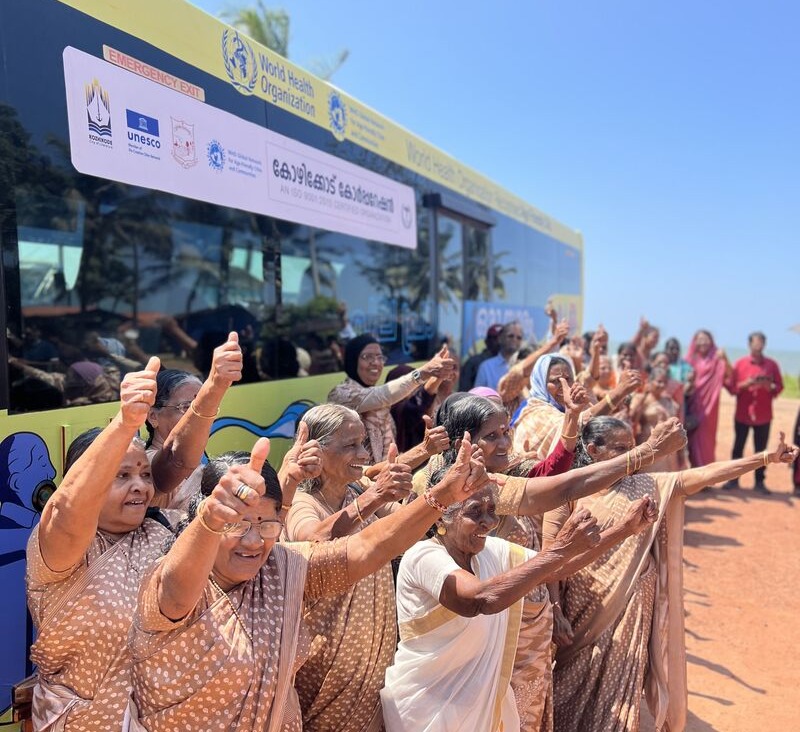
The students finally saw the completed bus during the flag-off event.
For the team, this was different from seeing their work on a screen or in a mockup. They could now see people interacting with the final design.
The bus was being used for trips involving senior citizens. The students saw older people enjoying the experience, singing and spending time together.
They also heard people asking questions about the bus and whether they needed tickets to get on. These small interactions helped the students understand that their design had become part of an actual public experience.
The project also showed them why the purpose behind a design matters. They were not only creating artwork for a vehicle. They were designing something connected to a programme involving senior citizens and the wider community.
What the Students Learned From the Project
Working on Aanandavandi gave the students experience with several parts of a real design project.
They worked on:
Concept development
Sketching and illustration
Client presentations
Design revisions
Mockups
Vectorisation
Large-format artwork
Print preparation
Installation
Team collaboration
Working with tight deadlines
The project also taught them how to handle situations that do not always happen in classroom projects.
Their first design was not approved, so they had to improve their presentation. After the design was approved, the project was delayed. When it finally restarted, they had to complete the production work within a very short deadline.
Throughout the process, the students had to work together and adapt to changing requirements.
The Students Behind Aanandavandi
The project was completed by five HACA Design School students: Deebesh, Adinath, Ardra, Jibin and Meghashyam.
Deebesh worked as the project lead, while Adinath, Ardra, Jibin and Meghashyam contributed to the design and execution of the project.
For all five students, this was an opportunity to work on something outside the usual classroom environment. They had to communicate with an external organisation, work within real production requirements and see their work used by people in Kozhikode.
What Made the Project Different
One of the biggest differences between Aanandavandi and a regular student project was the scale and purpose of the work.
The students were working with a government organisation and designing something that would be used in a public setting. Their work had to meet the Corporation's requirements while also communicating the idea behind the initiative.
The project also gave them the chance to experience the complete design process, from the first sketch to the final installation.
By the time the bus was launched, the students had worked through concept development, rejection, revisions, production challenges and a last-minute installation.
From the First Sketch to the Final Bus
Aanandavandi started with an opportunity that the HACA team decided to give its students. At the beginning, the team had only nine days to prepare a concept, and they were not sure how the Corporation would respond to their idea.
Their first pitch was not approved, but they went back, developed the design further and presented it again. The revised concept was approved, and the students then worked on preparing the artwork for production.
The project was later delayed, leaving the students unsure about whether the bus would actually be launched. When the project restarted, they had only one day to complete the printing and installation.
Despite these challenges, the team completed the project and eventually saw Aanandavandi being used for senior citizen trips in Kozhikode.
The project also received attention from the media and the design community, creating conversations around the work and the students who created it.
For Deebesh, Adinath, Ardra, Jibin and Meghashyam, Aanandavandi became an opportunity to experience what it is like to take a design project beyond the classroom and turn an idea into something that people can actually see and use.
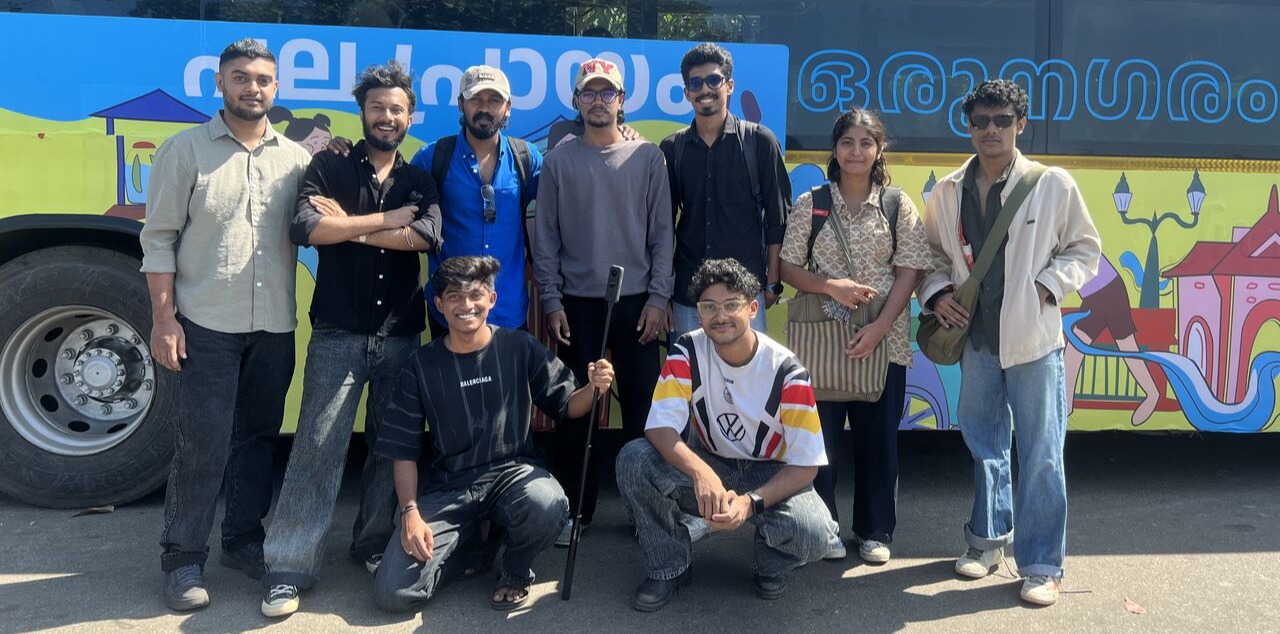
Hear the Students Talk About Aanandavandi
Watch the HACA Design School team talk about how the project started, their first pitch, the challenges they faced during production and what happened when they finally saw Aanandavandi on the road.
Watch the video: https://youtu.be/cDEpBoEdX7E