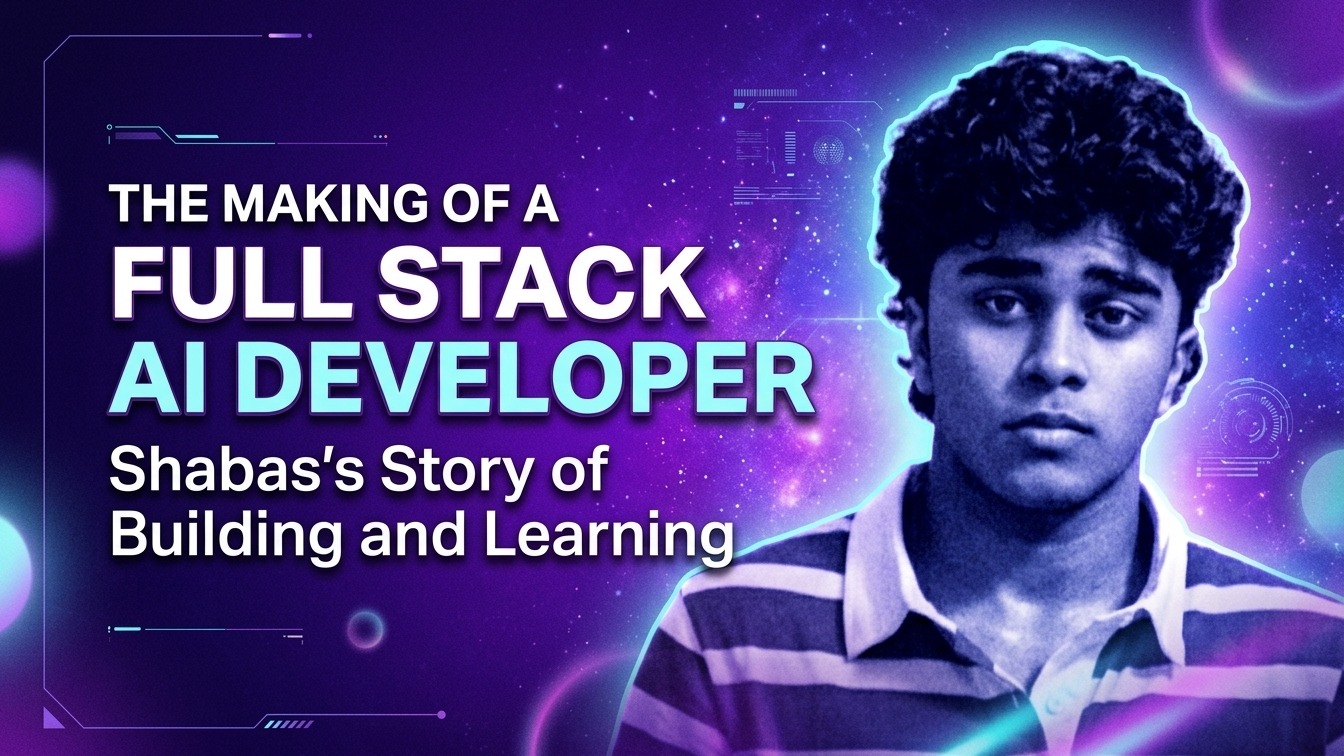
The Best Way to Learn Development? Build Something That Matters.
That's exactly what Shabas did at HACA Tech School. For him, programming was never just about learning a language or completing a course.
"I wanted to build things that people could actually use," Shabas says.
For him, programming was never just about learning a language or completing a course.
He was curious about one simple question: How can technology solve everyday problems?
That curiosity brought him to HACA Tech School, where he began learning Full Stack Development with Python, Django, React, and Generative AI.
Instead of focusing only on theory, he spent his time building applications, experimenting with ideas, and turning simple problems into working products.
Learning by Building
At HACA, every concept became an opportunity to build something.
As he learned Python, Django, React, REST APIs, databases, and AI tools, Shabas worked on projects that challenged him to think beyond writing code.
Rather than asking whether an application could be built, he started asking whether it would make someone's life easier. That approach shaped his learning throughout the program.
Creating Products That Solve Real Problems
One of Shabas's most meaningful projects was Kaaval, an AI-powered legal assistant inspired by his father, who works in the legal field.
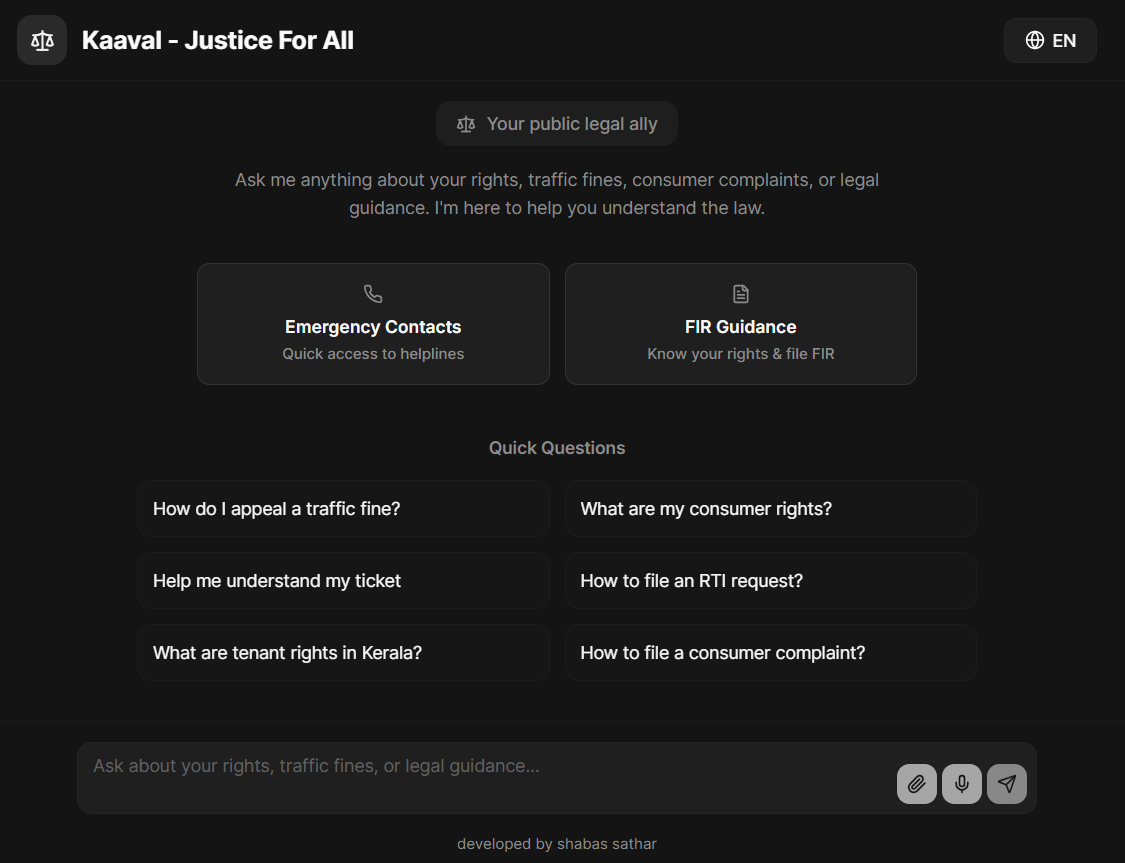
The idea was simple. Many people struggle to understand legal procedures or don't know where to find reliable guidance. Kaaval helps users ask legal questions, understand documents, and receive explanations in simple language, including Malayalam.
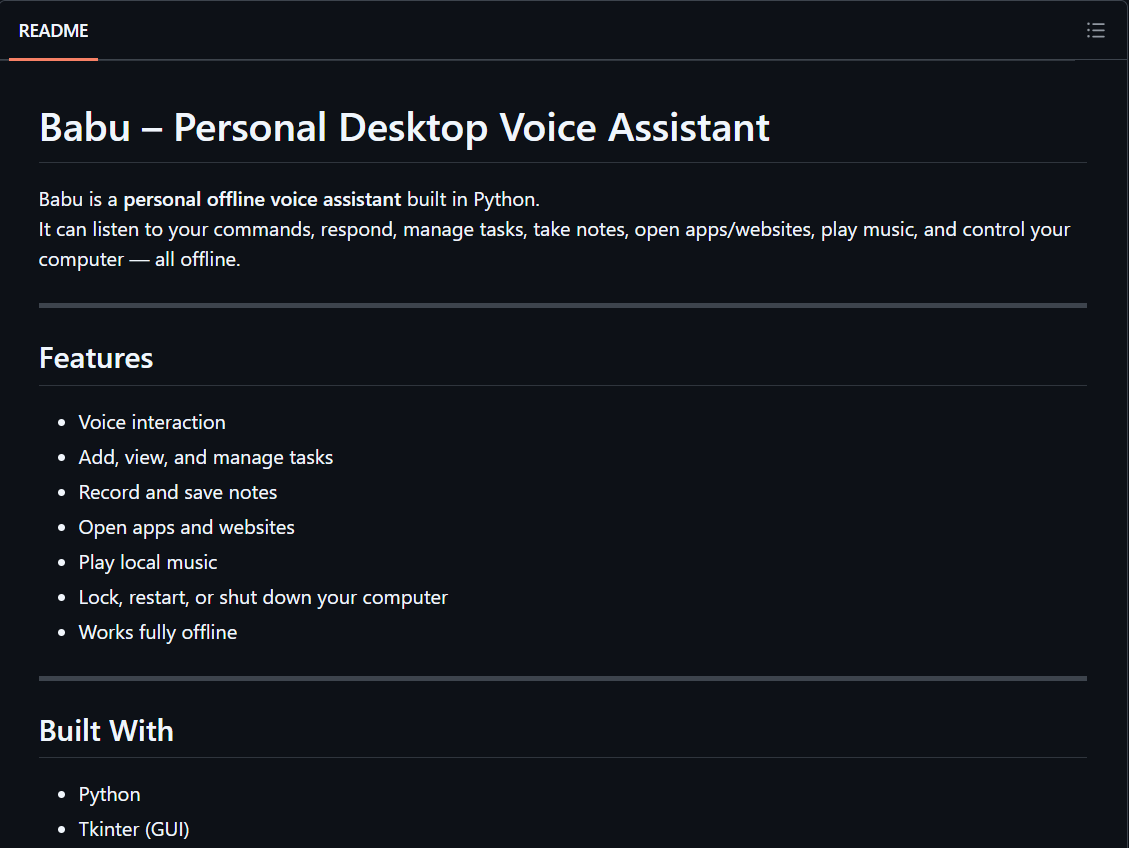
He also built Babu, an offline AI desktop assistant that can manage tasks, record voice notes, open applications, and control a computer using voice commands.
As his learning journey continued, Shabas worked on several other projects that helped him apply his technical skills to real-world challenges.
Some of his notable projects include:
ParentLink – An AI-powered platform that improves communication between teachers and parents.
RevuMate – An AI-powered business platform that helps cafés and restaurants manage operations and customer feedback.
Business Websites, AI Tools & Automation Systems – Custom solutions including websites, chatbots, productivity tools, and automation systems designed for different user and business needs.
Every project helped him strengthen his technical skills and understand how technology can be used to create practical solutions.
Exploring His Work Beyond the Classroom
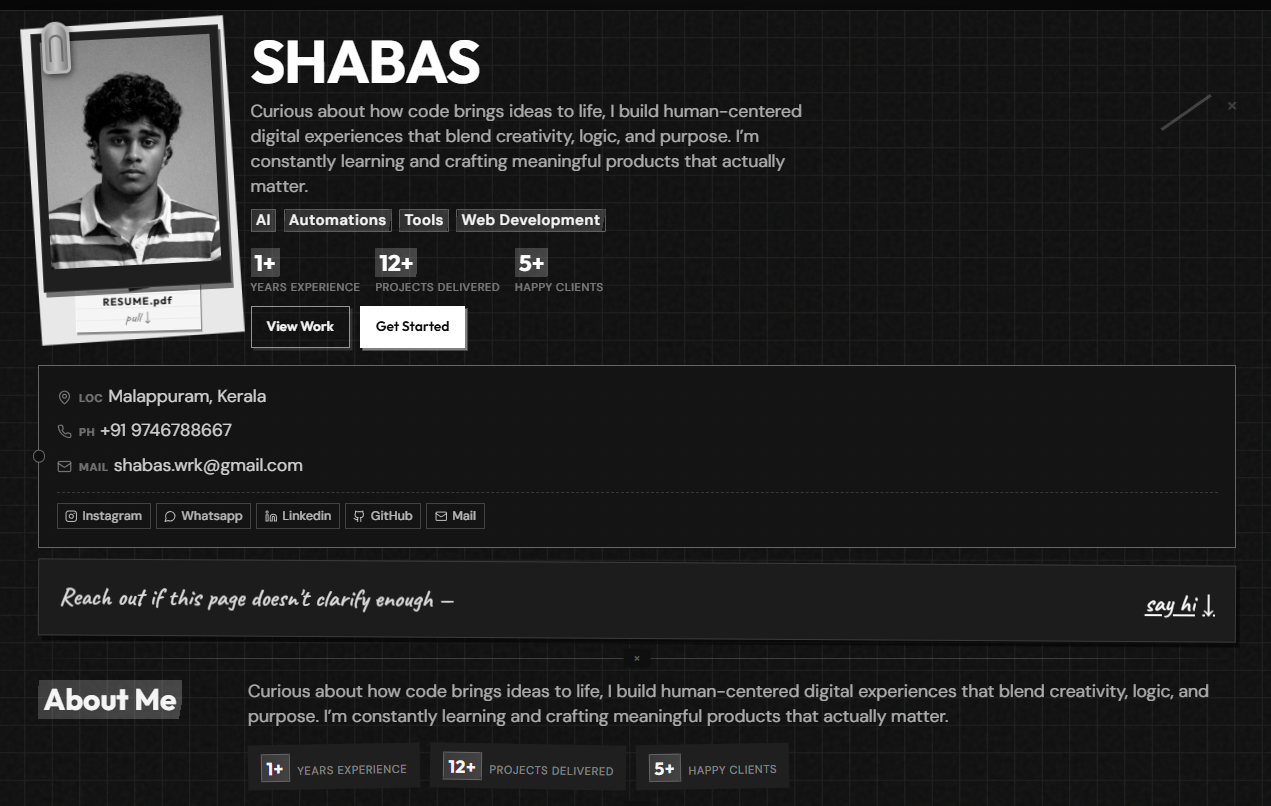
Along with building projects, Shabas documented his experiments, ideas, and development journey through his personal portfolio.
His portfolio features AI assistants, automation tools, full-stack web applications, and business solutions that reflect how he transformed his learning into practical products.
Explore his portfolio: https://shabas.vercel.app/
Learning With Mentor Support
Throughout his journey, Shabas received continuous guidance from his mentor, Radhika.
Whether it was debugging code, improving project structure, or finding better solutions, the support he received helped him move forward with confidence.
Instead of simply being shown the answers, he learned how to think through problems like a developer.
Building More Than a Portfolio
Along with developing projects, Shabas regularly shared his work on LinkedIn and continued refining his personal portfolio.
Today, his portfolio showcases more than a dozen AI tools, automation systems, web applications, and business solutions built during his learning journey.
For Shabas, every project became another opportunity to learn something new.
Where Shabas Is Today
Today, Shabas continues building AI-powered products and full-stack web applications.
He currently serves as Chief Technology Officer at Automa Ponix, continues his entrepreneurial journey through Stryke, and works with businesses to develop websites, AI tools, and automation systems.
Looking back, he believes practical learning gave him something more valuable than technical knowledge.
It gave him the confidence to take an idea, build it from scratch, and turn it into something people can actually use.
His journey shows that becoming a developer isn't only about learning frameworks or programming languages. It's about staying curious, solving problems, and building products that make a real difference.