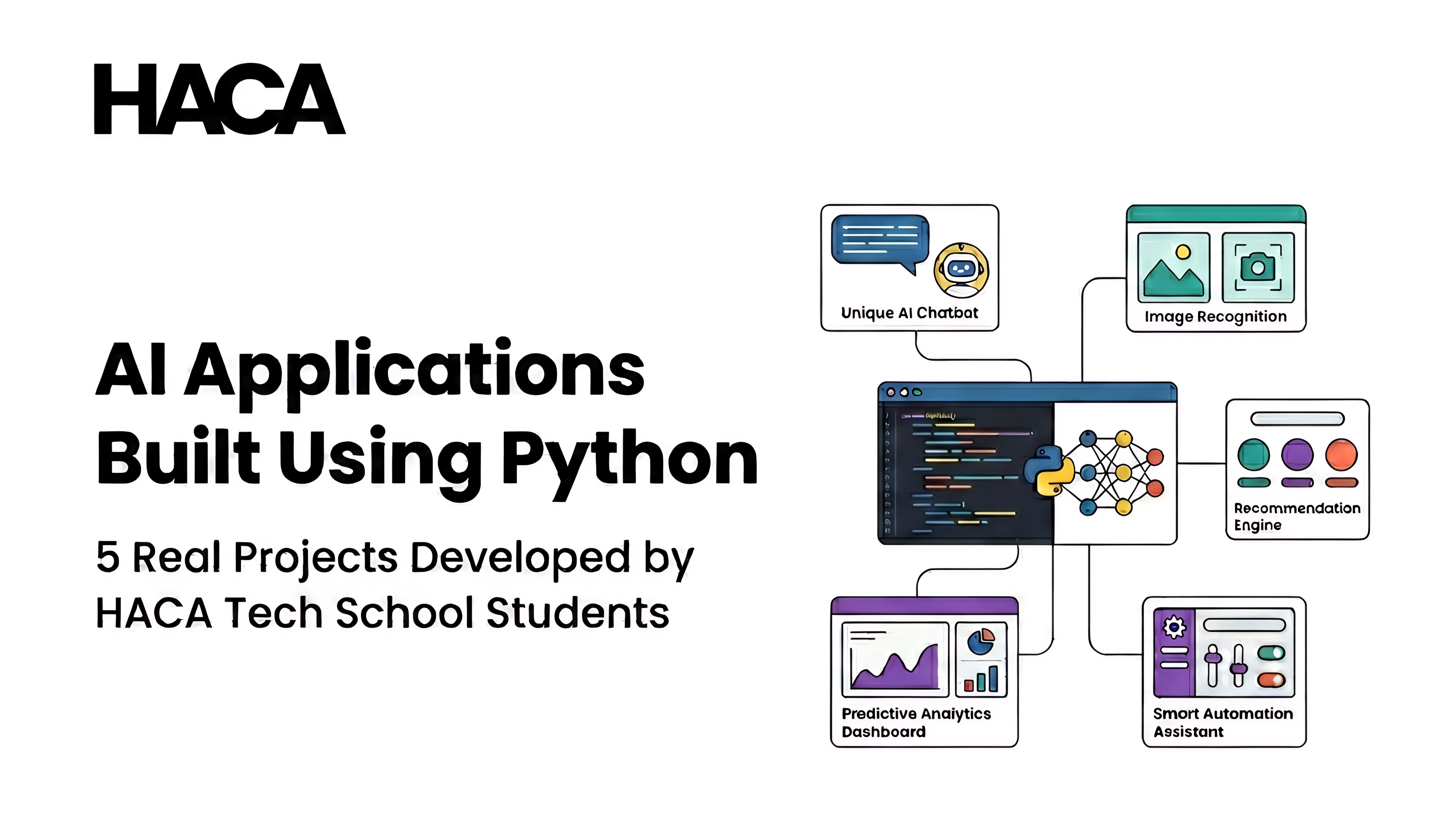
Open your phone right now.
The recommendations you see on Netflix, the chatbot answering your questions, the maps helping you avoid traffic, even the spam filter protecting your inbox all have one thing in common.
Behind many of these smart systems is Python.
If you've ever searched "Which programming language should I learn for AI?", chances are Python appeared at the top of almost every answer.
Artificial Intelligence is changing the way we interact with technology. From personalized recommendations on streaming platforms to smart assistants and automated customer support, AI has become a part of everyday life.
Behind many of these innovations is Python, a programming language that has become the preferred choice for AI development. Its simplicity, versatility, and vast ecosystem of libraries make it ideal for building intelligent applications. When combined with Django, a powerful Python web framework, developers can create applications that are not only functional but also scalable and user-friendly.
However, learning Python isn't just about understanding programming concepts. The true value lies in applying those concepts to solve real-world problems.
At HACA Tech School, students don't stop after learning concepts. They put their skills to work by creating projects that people can actually use.
Some help travellers find hotels. Some connect people heading to the same destination. Others help citizens report damaged roads or get emergency assistance when they're stranded on the roadside.
In this blog, we'll explore how Python and Django are used to build modern applications and look at five impressive projects developed by HACA Tech School students.
Why Python Is the First Choice for AI Development
Before exploring the projects, it's important to understand why Python is widely used in artificial intelligence and machine learning.
Python programming offers several advantages, especially for developers working with AI and machine learning:
Easy-to-read syntax
Faster development process
Massive AI and machine learning libraries
Strong community support
Seamless integration with APIs
Excellent data processing capabilities
opular AI technologies and approaches such as TensorFlow, PyTorch, Scikit-learn, OpenCV, Natural Language Processing, and RAG can be used with Python to build intelligent applications.
Whether you're creating a chatbot, recommendation engine, predictive analytics system, computer vision application, or automation platform, Python provides the foundation needed to build intelligent solutions.
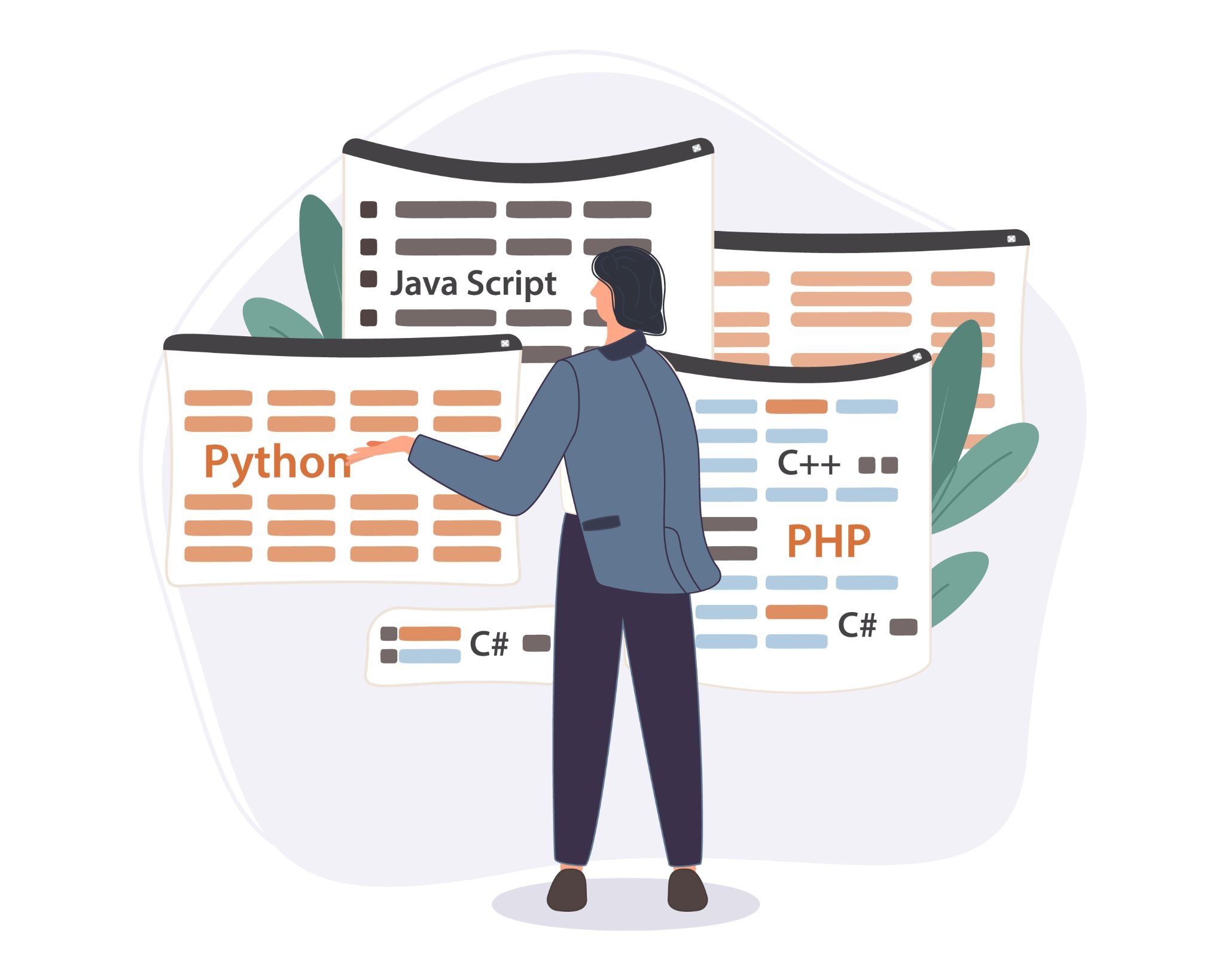
The Role of Django in Modern Applications
While Python provides the foundation, Django helps developers turn ideas into complete web applications.
Django is a high-level Python framework that allows developers to:
Build secure applications quickly
Manage databases efficiently
Create user authentication systems
Develop scalable web applications
Integrate third-party APIs
Handle large amounts of data
Together, Python and Django provide a strong foundation for creating applications that can grow and evolve over time.
The following student projects demonstrate how these technologies can be used to create solutions for real-world problems.
1. Hotel Search Platform (SecondHome)
Developed by: Jithin Joseph
Technologies Used
Python
Django
HTML
JavaScript
Tailwind CSS
External Hotel APIs
The Problem
Finding hotels across different locations often requires users to visit multiple websites and compare information manually.
This process can be time-consuming and confusing.
The Solution
SecondHome was developed as a hotel search platform that retrieves real-time hotel information using external hotel APIs.
Users can enter their preferred destination and travel dates, and the application automatically fetches:
Hotel listings
Room pricing
Ratings
Property images
Availability information
How Python and Django Help
Python manages API requests and processes the returned hotel data. Django handles the backend logic, user requests, and data presentation. The result is a responsive application that delivers real-time information in an easy-to-use interface.
AI Relevance
Modern travel platforms often use AI recommendation systems to suggest hotels based on user preferences. Applications like SecondHome provide the foundation required for implementing future AI-driven travel recommendations.


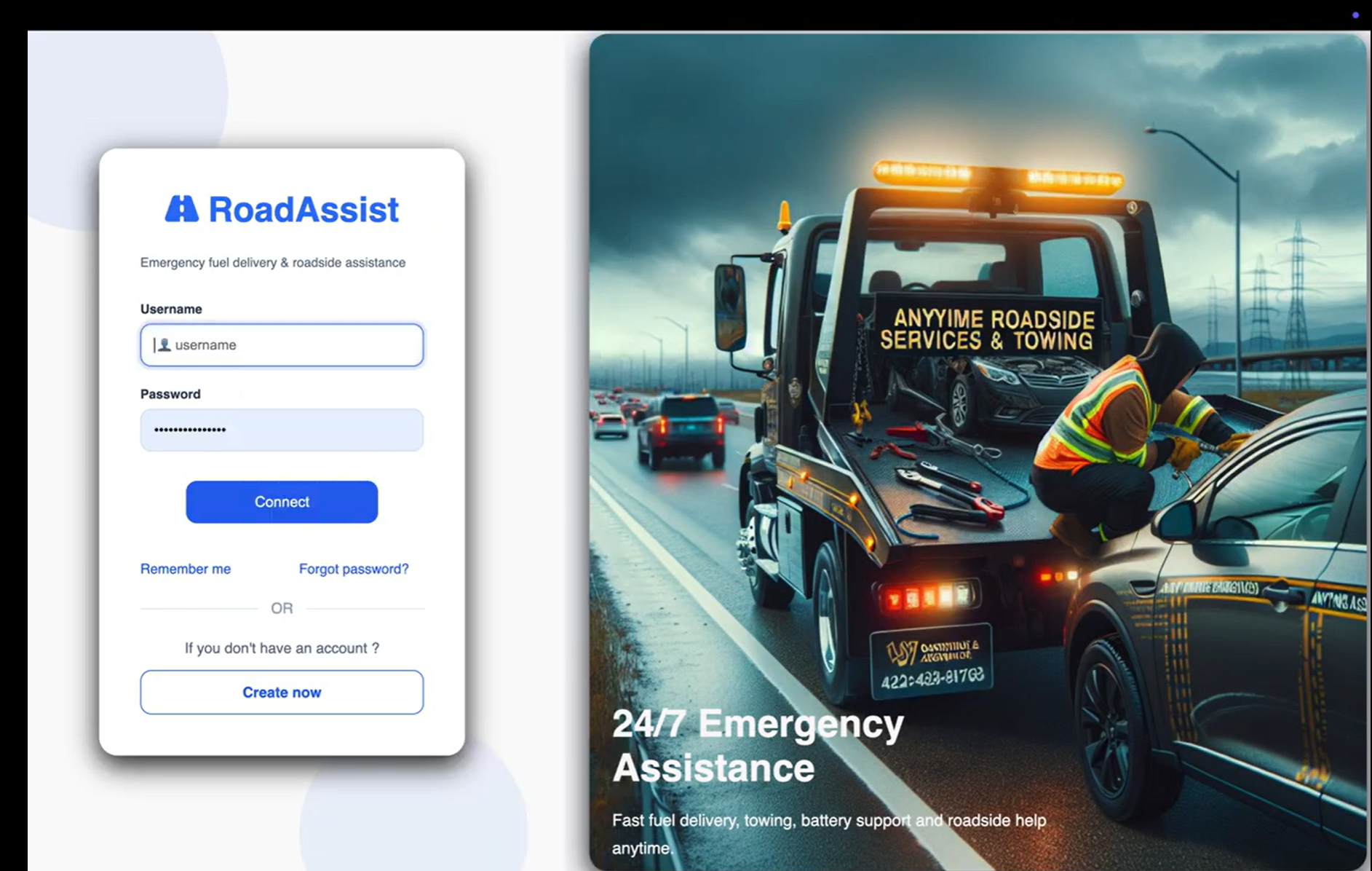
2. Emergency Roadside Assistance Platform (RoadAssist)
Developed by: Jithin Joseph
Technologies Used
Python
Django
HTML
CSS
JavaScript
MySQL
The Problem
Vehicle breakdowns can happen anywhere and anytime. Drivers often struggle to find immediate assistance during emergencies.
The Solution
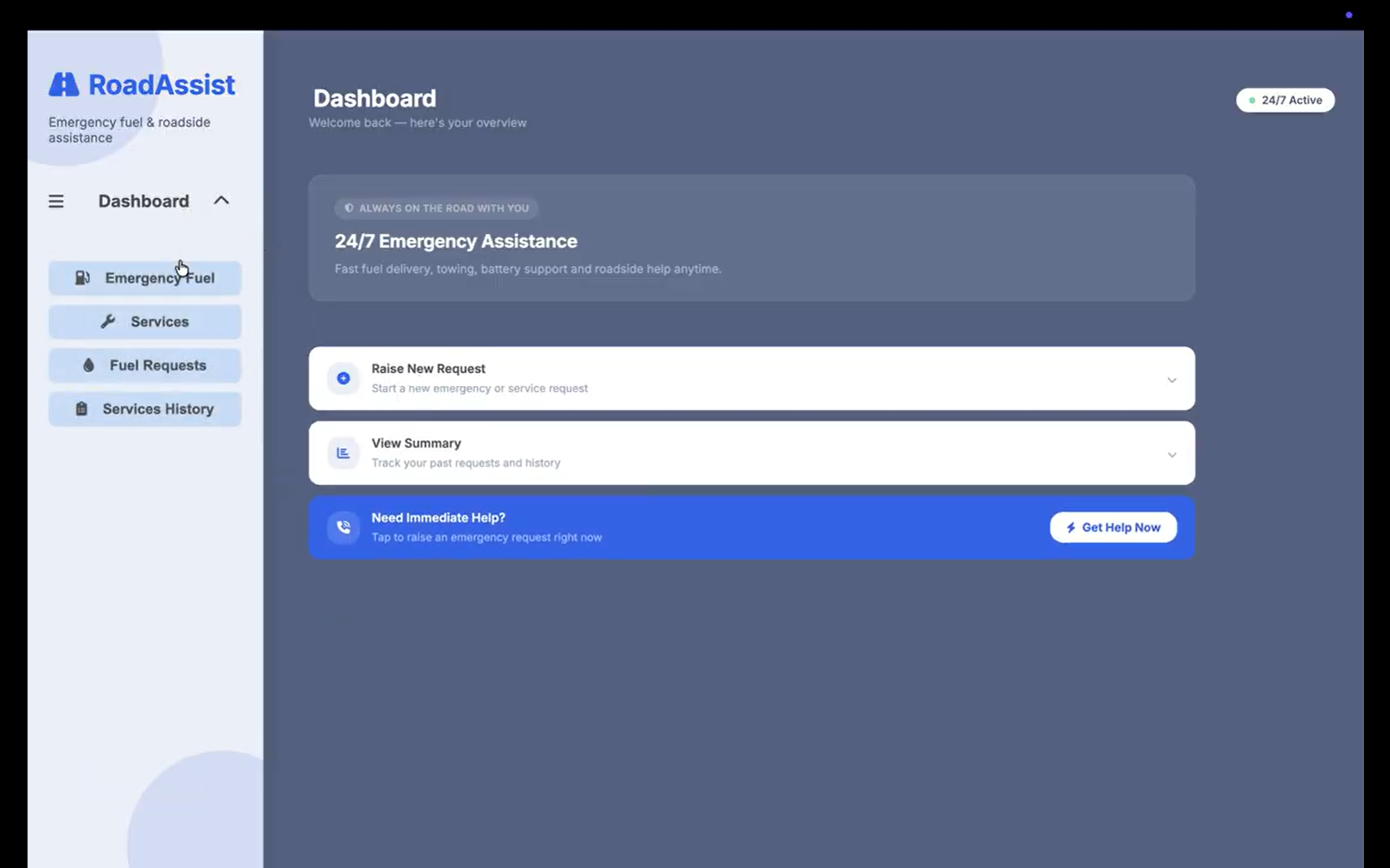
RoadAssist was developed as a digital roadside assistance platform.
The system allows users to request services such as:
Emergency fuel delivery
Towing assistance
Puncture repair
Roadside support
Once a request is submitted, workers can view and manage assigned tasks through a dedicated dashboard.
Key Features
Service request management
Worker dashboards
Real-time request tracking
Faster response coordination
Centralized service management
How Python and Django Help
Django manages user accounts, service requests, worker assignments, and database operations.
Python powers the application's logic and enables smooth communication between users and service providers.
AI Potential
Future versions of such platforms can use AI to predict service demand, optimize worker allocation, and estimate response times based on location and traffic patterns.
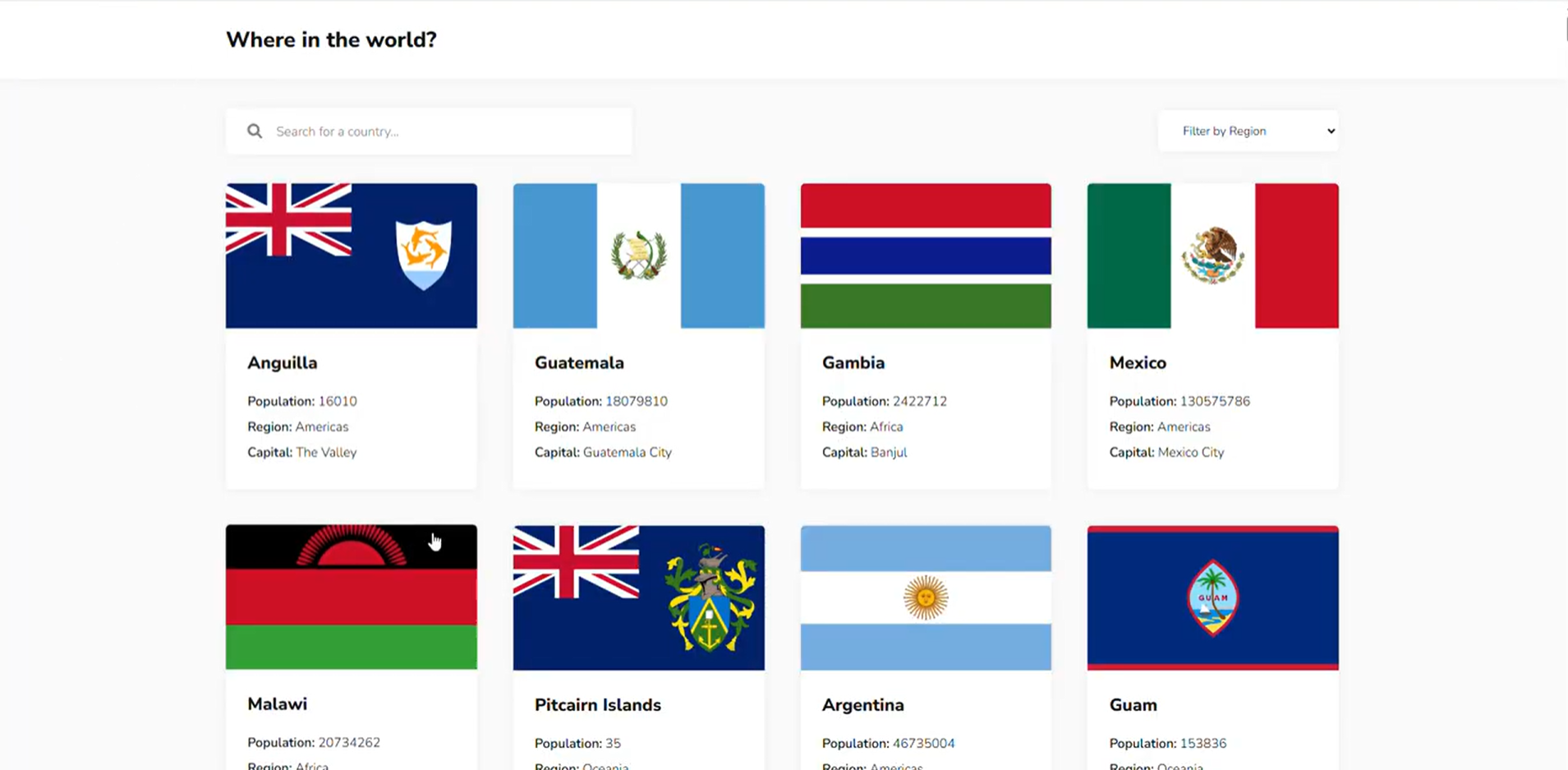
3. Country Explorer – Where in the World?
Developed by: Shamna EK
Technologies Used
Python
Django
HTML
CSS
REST Countries API
The Problem
Geographical information is often scattered across multiple websites, making it difficult for users to access comprehensive country data quickly.
The Solution
Country Explorer is a modern web application that allows users to explore countries around the world through a simple interface.
Users can:
Search countries
Filter by region
View population data
Explore national flags
Learn about neighboring countries
How Python and Django Help
Python communicates with the REST Countries API and processes the information. Django organizes and displays the data in a user-friendly format.
AI Relevance
Applications that collect and organize large datasets often become the foundation for AI-powered analysis and recommendation systems. Country Explorer demonstrates how developers can build data-driven platforms using Python and Django.
4. PWD Portal
Developed by: Shamna EK
Technologies Used
Python
Django
HTML
CSS
The Problem
Public infrastructure issues such as potholes, damaged roads, and drainage problems are often reported through inefficient manual processes.
This leads to delays and poor communication between citizens and government departments.
The Solution
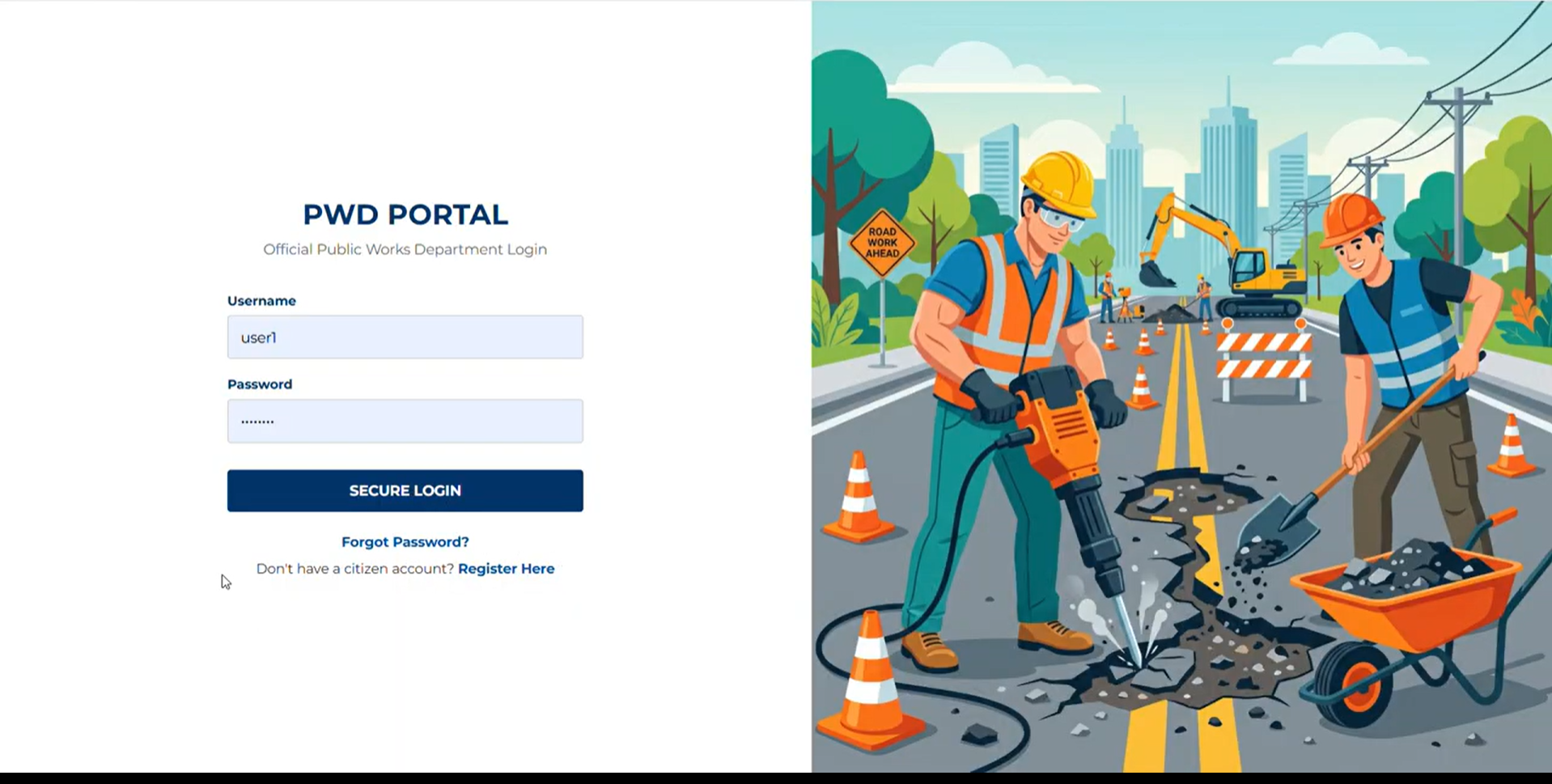
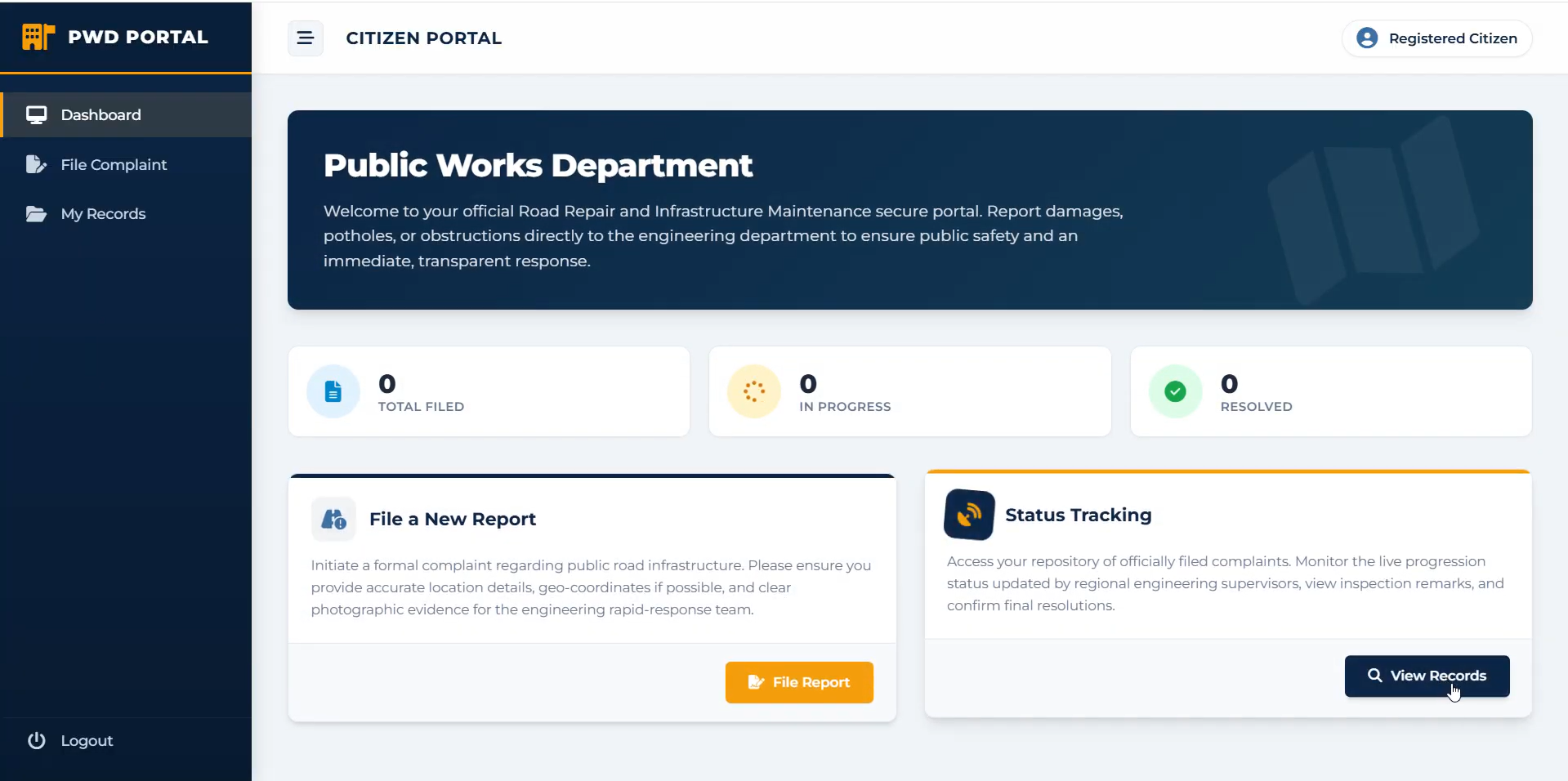
The PWD Portal creates a centralized digital platform where citizens can report public infrastructure issues.
Users can:
Submit complaints
Upload images
Track complaint status
Monitor repair progress
Administrators and engineers can manage complaints and update work status efficiently.
Key Benefits
Better transparency
Faster issue resolution
Improved communication
Digital complaint tracking
How Python and Django Help
Django manages complaint workflows, user roles, and status updates. Python handles backend operations and data processing.
AI Potential
AI can be integrated in the future to automatically categorize complaints, prioritize urgent cases, and analyze recurring infrastructure issues across regions.
5. Find Your Travel Partner (FYTP)
Developed by: Fijas Muhammed C P
Technologies Used
Python
Django
MySQL
HTML
CSS
The Problem
Many travelers spend unnecessary money because they travel alone despite having similar routes and schedules as others.
The Solution
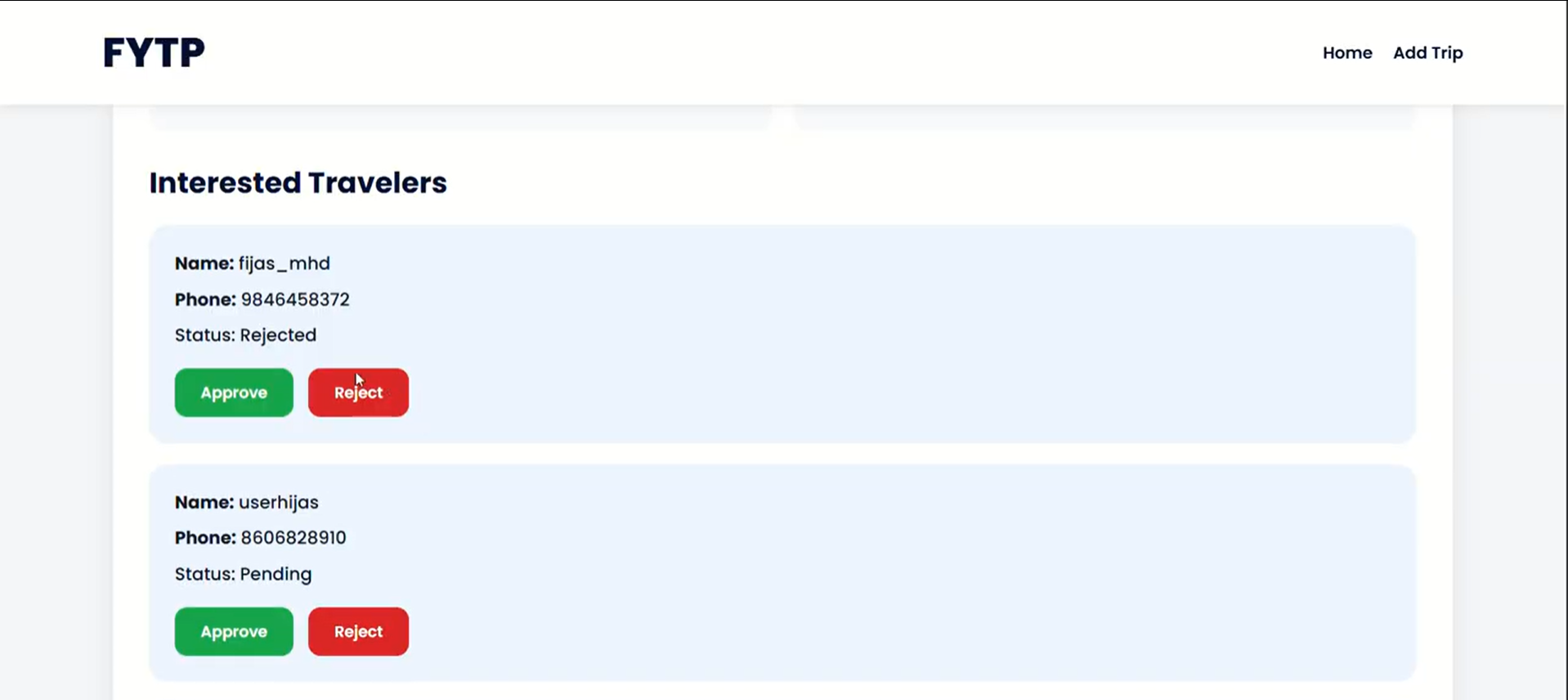
Find Your Travel Partner is a carpooling application that helps users connect with fellow travelers.
Users can:
Create travel posts
Search available rides
Send ride requests
Communicate with trip owners
Share travel expenses
How Python and Django Help
Django manages user accounts, ride requests, trip listings, and communication workflows.
Python handles the backend processes that connect travelers efficiently.
AI Potential
Future AI enhancements could include:
Route optimization
Smart ride recommendations
Travel matching algorithms
Predictive ride suggestions
These features can significantly improve user experience and ride-sharing efficiency.

What These Projects Teach Future Developers
Each of these projects demonstrates an important reality of modern software development.
Learning Python is valuable. Learning Django is valuable. But building real-world applications is what truly prepares students for careers in technology.
Through these projects, students gain experience in:
API integration
Database management
Backend development
User authentication
Problem-solving
UI development
Project deployment
Real-world application architecture
These are the same skills companies look for when hiring Python developers and Django developers.
Why Project-Based Learning Matters
Many learners spend months watching tutorials without building anything meaningful. The result?
They understand concepts but struggle to create complete applications. At HACA Tech School, students learn by building.
Instead of focusing only on theory, students work on practical projects that simulate real industry requirements.
This approach helps learners:
Build confidence
Strengthen problem-solving skills
Create a professional portfolio
Gain hands-on experience
Improve employability
By the time students complete their training, they have projects that demonstrate their technical abilities to employers and clients.
Final Thoughts
Artificial intelligence is transforming the way we live, work, and interact with technology, and Python continues to be one of the driving forces behind this transformation. Throughout this blog, we've explored how Python and Django can be used to build practical applications that solve real-world problems, from travel and transportation to public services and information management.
The five projects developed by HACA Tech School students demonstrate that learning Python goes beyond writing code. It involves understanding problems, designing solutions, working with APIs, managing data, and creating applications that deliver real value to users. Whether it was building a hotel search platform, an emergency roadside assistance system, a country explorer, a public complaint management portal, or a travel partner matching platform, each project showcased how technology can be used to make everyday experiences better.
These case studies also reinforce an important point: the best way to learn technology is by building with it. Real-world projects help students develop the confidence, technical skills, and problem-solving mindset needed to succeed in today's fast-growing tech industry.
As the demand for AI-powered applications and Python developers continues to rise, learners who combine strong fundamentals with practical project experience will have a significant advantage. If you're looking to gain those skills and build industry-relevant projects like the ones featured in this blog, enrolling in the best Python course in Calicut can be the perfect starting point for your journey into AI, software development, and emerging technologies.